

Author: Arman Nurgaliyev, technical director of a window systems company
Glazing of balconies and loggias in Astana: an engineering approach
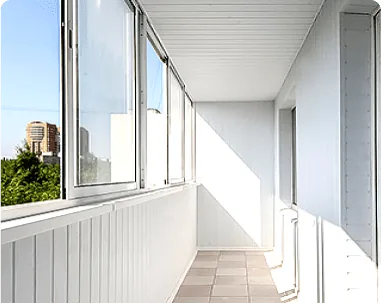
Creating a comfortable microclimate in the sharply continental climate of Kazakhstan requires precise calculations and selection of materials capable of withstanding temperature fluctuations from -40 °C to +40 °C. Homeowners in the capital are increasingly considering the loggia not as a storage room, but as usable space protected from dust, noise, and extreme frosts. To achieve airtightness and durability of the structure, it is important to consider not only the quality of the profile but also the specifics of installation work, on which balcony glazing directly depends.
Technology evolution: how standards have changed over 15 years
Previously, residential buildings were dominated by glazing with wooden frames, which only protected from direct precipitation. The main drawback was the deformation of wood under the influence of sun and moisture, leading to drafts after just a couple of seasons. A dead-end path was frameless glazing without a thermal break, which, despite its aesthetics, does not retain heat in northern latitudes. Today, professional balcony glazing in Astana allows multi-chamber PVC profiles and energy-efficient double-glazed windows to turn the extension into a full-fledged room.
The quality of modern materials allows leveling the difference between outdoor and indoor temperatures. However, without proper thermal insulation of all surfaces, even elite windows will not save the slab from freezing. Professional glazing and balcony insulation involves the use of extruded polystyrene foam, which does not absorb moisture and retains its shape for decades. Only with this combination of materials is the dew point moved outside the room, eliminating the appearance of condensation and mold on the walls.
Comparative characteristics of glazing systems for the climate of Astana
Parameter | Cold (Aluminum) | Warm (PVC 70 mm) | Energy-efficient (PVC 82+ mm) |
Temperature | +5 °C to outdoor | Room (heated) | Stable room |
Sound insulation | Basic | High | Maximum |
The main compromise | Low price requires forgoing winter use | The weight of the structure requires checking the slab's strength | High comfort requires significant investment |
Technical nuances of choosing profile systems
For northern regions, the system depth of the profile is critically important. We recommend using systems of at least 70 mm with five internal chambers. This ensures the necessary structural rigidity under the strong wind loads characteristic of the left bank of the capital. High-quality balcony glazing in Astana is impossible without reinforced reinforcement (minimum 1.5 mm), which prevents thermal deformation of the plastic during sharp frosts and thaws.
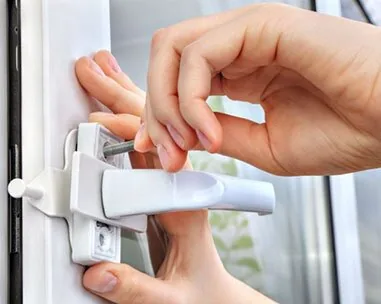
Expert advice from Arman Nurgaliyev: 'When choosing the sash configuration, be sure to plan at least one tilt-and-turn sash for safe ventilation. Also, do not forget to install 'anti-cat' mosquito nets if there are pets in the house, as gusts of wind in Astana can unexpectedly open an unsecured sash.'
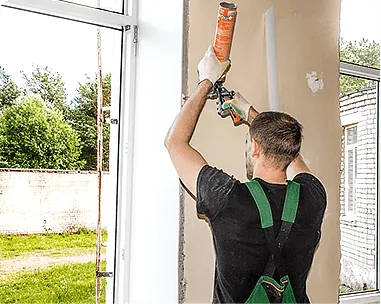
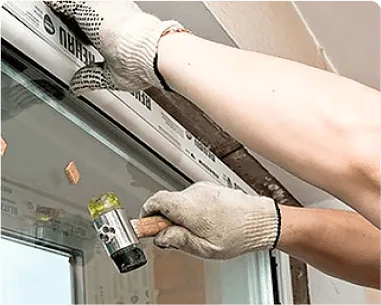
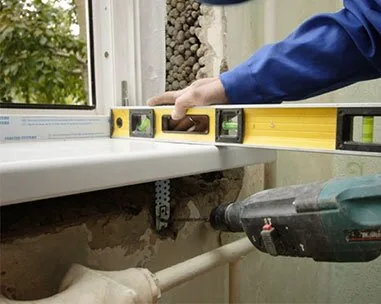
Demand for high-quality window systems in the capital is constantly growing, which generates many offers in different price segments. When choosing a contractor, pay attention to the availability of certificates and experience working specifically with high-rise buildings. Reliable balcony glazing in Astana requires the use of specialized anchor plates and professional winter foam, which retains its properties during polymerization at sub-zero temperatures.
Financial planning and hidden costs
Often, customers focus only on the cost per square meter of products, forgetting about associated costs. To accurately calculate the budget, you need to understand how much it costs to glaze a balcony, taking into account additional elements, extenders, and sealing of external joints. In new buildings, preserving the architectural appearance of the building is often required, which implies external lamination of the profile. This adds aesthetics but increases the final estimate by approximately 20-25%.
Many postpone repairs to the summer, fearing hypothermia of the apartment during the installation process. However, modern technologies allow work to be carried out year-round without risk to the interior. Properly performed balcony glazing in winter allows you to immediately identify and eliminate the slightest drafts, which are much more difficult to notice in summer. The main thing is to use materials adapted to the current weather conditions and temperature regime.
Insulation material | Thermal conductivity | Service life | Property |
Penoplex | 0.032 W/m*K | 50 years | Does not burn, does not get wet |
Mineral wool | 0.040 W/m*K | 40 years | Breathes, dampens noise |
Penofol | 0.049 W/m*K | 25 years | Reflects heat |
Specifics of thermal insulation work
Sealing the space is only half the battle. To turn a balcony into a living area, it is necessary to create a 'thermos' effect. Glazing balconies comprehensively involves insulating the floor, ceiling, and parapet. It is important to follow the sequence: waterproofing, installation of insulation, vapor barrier layer, and only then the final finishing. As a heating device, it is best to use an electric heated floor or convector, as installing water radiators on the balcony is prohibited by law.
Investment in quality repairs pays off not only in comfort but also in real savings on electricity bills. Professional glazing and insulation of balconies reduces heat loss in the adjacent room by 20%, eliminating the need to use heaters in the autumn-spring period. This is especially relevant for large loggias that, after being combined with the kitchen or living room, become the family's favorite relaxation spot.
The final choice always remains with the owner, but as a specialist I recommend not skimping on the "invisible" parts — reinforcement, vapor barrier, and mounting tapes. These elements form the foundation of durability and quietness in your home.
8 reasons to contact us
and be confident in the result


honest reviews from our clients


